

How to Fix Common Door Repair Problems
Many door issues are simple to fix, particularly when you can complete the work yourself. But, sometimes a job can't be completed without assistance.
The most common cause of a sticking door is simply that the hinges must be tightened or shifted. If the problem continues, you may have to plane or sand the latch side of your door.
Check the door for damage.
As the weather turns cooler, many homeowners use this time to clean the yard and inspect their doors. This annual inspection shouldn't just be a lookout for signs of damage but also uncover areas that aren't working as they should.
Check for rust or corrosion on door hardware, including hinges, and on the frame. Check for damaged or broken weather stripping. This will prevent drafts from entering the house and prevent air leaks that can reduce a home's energy efficiency.
Check if any doors are stuck, particularly in the aftermath of a strong wind. A door that is stuck is more difficult to open and close, which adds wear each time you use it and could lead to higher repair costs in the future. This kind of issue can be caused by swollen wood, which happens when humidity alters the moisture content in the wood of the door. A hygrometer test is used to determine the source of this problem.
If your door is swelling or swollen, you can make use of a screwdriver to tighten the hinge screws. If the issue persists, you can try shimming the hinges or replacing them.
It's also important to examine the door for any damage that appears to be cosmetic. While minor scratches and dents are normal over time, any serious damage that was not present before should be repaired immediately.
Although it's sometimes possible to repair the door that has large cracks, any cracks in the wood should be filled and painted as soon as possible to avoid further issues. Any wood rot should be replaced as well to ensure the integrity of the structure. If you notice structural issues that are significant to doors, it's recommended to call a certified door system technician to examine and repair any damage that may be required.
Close the Hinges
Door hinge screws may loosen over time. If you leave them unattended, they may damage the hinge or damage the screws' holes. These screws can be tightened by hand or using a power drill. Be cautious not to bend the hinge of your door and remove the pins.
Find the sticking points first, and then decide what to do. If the door rubs at the top or drags, you could countersink a long screw onto the latch side of hinge (the side that is connected to the strike plate). This will make the gap a little larger and often solves the problem.
A more drastic approach is to simply remove the hinge pins and hammer them out so that they're more spread apart, which will also solve the problem. However, this isn't recommended since it could damage the hinge, and should only be done when the door doesn't shut properly.
A damaged screw hole or a sagging doorframe, can also cause the screw to not tighten. If this is the case, insert a wood plug or match coated with carpenter's glue into the screw hole and let it to set before reattaching the hinge. This will fill the hole and strengthen it so that the screw can take hold. Repeat as necessary for any remaining screw holes that won't tighten. Then close the door and verify whether it has shut properly. If not, you may have to keep trying to solve the issue. It is best to begin with the most basic fixes first, and then do more involved repairs when necessary.
Shim the Hinges
Shimming hinges can be utilized to aid in hanging the door straight when the gap between the jamb and the door frame is too large (a condition called toe-in). This can be accomplished by placing a small wedge of wood or cardboard under the hinge on the jamb side, and then adding one or more thin, wooden shims between the hinge and the door frame. The shims push the hinge leaf away from the door frame and close the gap, removing the bind.
This technique can be a bit tricky however if you're careful you will be able to complete the task without causing damage to the hinge or the door. It is recommended to remove the screws from each hinge before shifting (Knowledge - How to Remove the Pin from a Door Hinge). It may be necessary to pull the door off of its hinges to avoid unscrewing.
You'll need to open and close the door several times after the hinges have been shifted to ensure they are working properly. If the door doesn't stay in place, you can add shims to close the gaps between the door and hinge.
You can also fix a binding door hinge by increasing the size of the mortise. This is done by removing the hole using a chisel and then filling it with wood putty. Be sure to sand and paint the putty before you use it on the hinge to match the frame's other components. This isn't as precise as shimming, but it's an easy fix for a hinge that's out of alignment. It's also less destructive than trying to fix the door.
Draw in the Jamb
If your door still binds after tightening the hinges and shifting the hinges, you could have a problem with the jamb not being of plumb. This can be corrected by tapping gently on wooden shims on the latch's edge to the frame between the jambs and the wall. Measure the shims using the carpenter's square and then move them around the frame to make sure that they are in line.
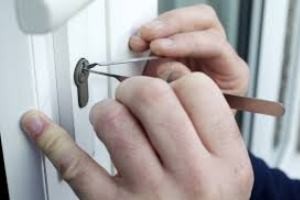
After you've shimmied the door frame, you can tighten the screws that secure the strikeplate to the latch side, to keep it from scratching against the latch. You can make use of an manual Phillips screwdriver, or a drill, depending on the severity of damage.
Sometimes, nicks, dents and gouges in the frame can cause it to bind against the door. If there are only small scratches on the frame you can fill in the surface with a wood filler that matches the trim around the door. Sand it down, then paint or stain it. For deeper dents and gouges, you might need to replace the damaged section of the jamb.
If you've tried sanding and filling your door and it continues to lock, it's time to get rid of the door and begin working on the frame from scratch. It's best when you're able to purchase new components and do it correctly, but sometimes you can save the door by working on small portions of the frame, without completely eliminating it. Be careful not to compromise strength of the frame, especially if you're working with old wood that has been exposed to moisture over time.
Adjust the Strike Plate
The strike plate catches the bolt of the door and keeps the door in the closed position. In time the strike plate could become misaligned. If the latch cannot seat into the strikeplate, it will not close, which can result in burglaries and door kick-ins. To remedy this, tighten the screws holding the strike plate. If this doesn't work, you can try shimming or adding wood filler to the hinges.
Before adjusting the strike plate, apply a strip of lipstick or a similar marking substance to the latch. Close garage door repairs near me and then open it. If the lipstick marks show that the latch is contacting between the strike plate hole, it could be a problem with sagging hinges, rather than the strike plate's position.
If the marks suggest that the latch is resting too low or high in the strike plate hole, then use a small piece of cardboard to fit into the hinge mortise, and then replace the hinge. This can often correct the issue if it's caused by sunken hinges and makes it easier to do a professional repair.
To adjust the strike plate, remove it from the door jamb and then make use of a file to increase the hole in the jamb that the strike plate goes. A half-round filing is ideal, as it matches the curve of the hole for the strike plate. Close the door, then reinstall the strikeplate and check if it is now able to clear the strike plate hole correctly. If the latch still cannot clear the hole make use of the chisel in the jamb to alter its shape where the strike plate meets the jamb.